Call Our Office
CA | (559) 384-2900
TN | (931) 299-7002
Your Money
Your Life
Your Way
You are now leaving the Strong Valley Wealth & Pension, LLC ("Strong Valley") website. By clicking on the "Schwab Alliance Access" link below you will be entering the Charles Schwab & Co., Inc. (“Schwab”) Website. Schwab is a registered broker-dealer, and is not affiliated with Strong Valley or any advisor(s) whose name(s) appears on this Website. Strong Valley is/are independently owned and operated. Schwab neither endorses nor recommends Strong Valley. Regardless of any referral or recommendation, Schwab does not endorse or recommend the investment strategy of any advisor. Schwab has agreements with Strong Valley under which Schwab provides Strong Valley with services related to your account. Schwab does not review the Strong Valley website(s), and makes no representation regarding the content of the Website(s). The information contained in the Strong Valley website should not be considered to be either a recommendation by Schwab or a solicitation of any offer to purchase or sell any securities.

Here are tax tips to help you make sure your money is working for you, not Uncle Sam. The first step is to start filing as early as you can, making February a great time to receive a refund quickly. There are other options outlined if you owe taxes or cannot make the April 15th deadline, along with ideas on how to avoid penalties and fines.

When should you file your income tax? Generally speaking, the earlier, the better, after January 1st if you expect to get a refund. If you file by the end of February, you should receive your check within six weeks. But, if you delay and file in April when the Internal Revenue Service is inundated by forms from other last minute taxpayers, you could face a long wait for your refund.
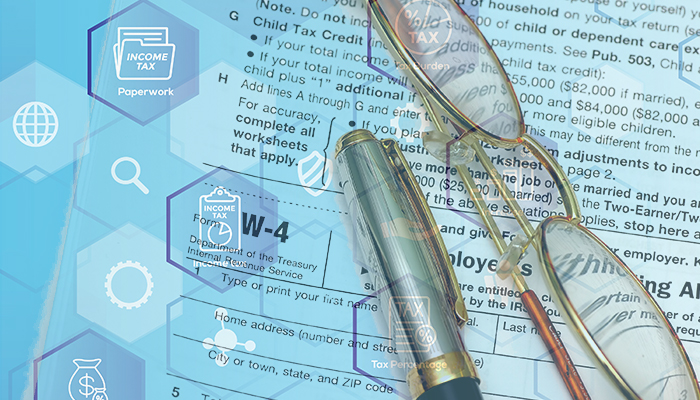
If you are in line for a refund, avoid congratulating yourself too enthusiastically. That only means you have given the government free use of money that was rightfully yours. If you want to put those extra dollars to work for you instead of Uncle Sam, simply reduce the amount withheld from your paycheck. You do that by completing a W-4 Form and increasing your number of allowances on it.
If you have the money to pay but just cannot complete your tax return by the April 15th deadline, the IRS will extend your day of filing to October 15th (for this year, the deadline is actually April 18th and October 16th). You must, however, send in an extension form – IRS Form 4868 – and an estimated payment of your taxes by April 18th. Here’s the important thing to remember: the IRS automatically grants an extension to anyone who fills out the form correctly. They don't even ask you why because it doesn’t matter to them
You or your accountant can estimate your income for last year and subtract any deductions and credits you expect to take. Then, by referring to the tax tables in the 1040 instruction booklet, you estimate the amount you owe.
If you underestimate the income tax due, you may have to pay a penalty on your outstanding balance. But, if you send in your return late without having filed for an extension, the IRS will be much less forgiving.
Here is another matter to watch: Even if you file an extension form, you must still make your past year's contribution to your Individual Retirement Account by April 18th.
If you have omitted information, or would like to add information to your tax return after you have filed it, you may prepare amended federal and state returns. Generally, the IRS allows up to three years from the original filing date to amend a return.
According to the IRS, almost one out of fourpeople who owe the government taxes on April 18th cannot pay. What should you do when you discover that you owe the government more than you can possibly pay by the due date?
Experts advise that you should file your tax return on time and send in as much as you can, otherwise you will be faced with paying larger penalties.
First, you might be liable for a fine based on your tax liability each month for late filing. Second, you may be charged annual interest compounded daily. You can generally avoid tax fines by filing a timely extension and paying at least 90 percent of your total tax liability. You still will have to pay interest on any balance due.
The IRS has a number of options available if payment is not made. They can attach your paycheck and seize your bank accounts and home, but they almost never take such drastic action if you earnestly try to pay your debts.
The key is communication. If you do not enclose a check when filing your return, you will eventually receive a letter demanding payment within ten days. The best advice here is: do not ignore this notice: The IRS becomes tougher with every passing day.
Just be sure to telephone or visit the IRS office listed on the delinquency notice. Do that immediately after receiving the first notice instead of waiting for the fourth and final one about three months later. It is wise when meeting with the IRS to take along a professional tax advisor. An advisor often has the ability to get the IRS to agree to better terms than you can.
Once you have finalized your arrangements with the IRS, make a point of preventing it from happening again. If you are a wage-earner, take fewer withholding allowances at work so more money for taxes will be deducted from your pay; if you are self-employed, increase your quarterly estimated tax payments.
As the old saying goes, "the only two sure things in life are death and taxes."