Call Our Office
CA | (559) 384-2900
TN | (931) 299-7002
Your Money
Your Life
Your Way
You are now leaving the Strong Valley Wealth & Pension, LLC ("Strong Valley") website. By clicking on the "Schwab Alliance Access" link below you will be entering the Charles Schwab & Co., Inc. (“Schwab”) Website. Schwab is a registered broker-dealer, and is not affiliated with Strong Valley or any advisor(s) whose name(s) appears on this Website. Strong Valley is/are independently owned and operated. Schwab neither endorses nor recommends Strong Valley. Regardless of any referral or recommendation, Schwab does not endorse or recommend the investment strategy of any advisor. Schwab has agreements with Strong Valley under which Schwab provides Strong Valley with services related to your account. Schwab does not review the Strong Valley website(s), and makes no representation regarding the content of the Website(s). The information contained in the Strong Valley website should not be considered to be either a recommendation by Schwab or a solicitation of any offer to purchase or sell any securities.

Soon we will celebrate our nation’s independence. It’s a good time to reflect on financial freedom, and wisdom to help guide a lifetime of investing. Consider these tips on what not to do with your hard-earned money! These principles help guide long-term victory.

As our nation prepares to celebrate its independence this July, it’s an ideal time to reflect on another kind of freedom, financial freedom. Some wisdom is too enduring to fade. It often arrives in quiet moments—simple truths shared in passing, but powerful enough to guide a lifetime of investing. Especially in today’s volatile markets, those lived-in lessons about what not to do with hard-earned money feel more relevant than ever.
Here are five timeless “Don’t Do This” lessons—proven through booms, busts, and everything in between.
Investors are often drawn to the newest trends, be it cryptocurrencies, flashy startups, or sectors promising overnight returns. But history shows that hype tends to inflate asset prices well beyond intrinsic value.
If the fundamentals of a business are unclear—its revenue sources, sustainability, or resilience in downturns, then caution is warranted. Long-term success hinges on backing enterprises with real-world durability, not short-lived excitement.
Market timing is a trap that even seasoned investors can fall into. The idea of jumping in at the bottom and exiting at the top is alluring—but consistently doing so is virtually impossible.
A more sustainable strategy is one built on consistency and patience. Whether in bull markets or steep corrections, investors who stay the course tend to fare better than those reacting to daily headlines or gut instincts. This is especially true during periods of high volatility, when sudden swings can tempt rushed decision-making.
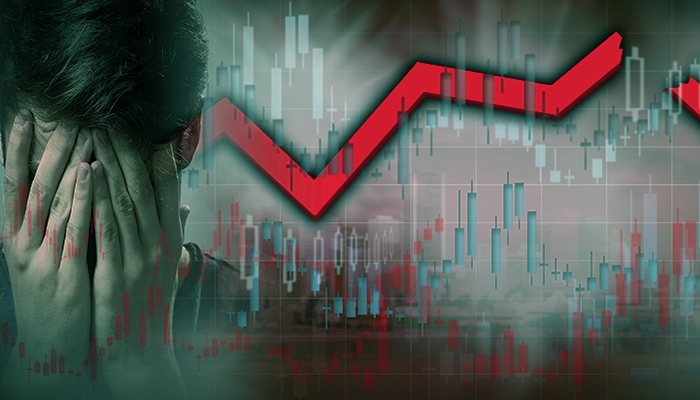
The emotional roller coaster of investing can be intense, particularly in turbulent markets. Sharp declines often trigger fear, while rallies inspire overconfidence.
Those who allow emotions to steer their decisions frequently end up buying high and selling low. Successful investors cultivate the discipline to remain calm and rational. This emotional detachment helps maintain focus on long-term goals, even when short-term conditions are unsettling.
Peer influence can be a powerful force in investing. Whether it’s a friend’s tip, a viral post, or a neighbor’s success story, the temptation to follow the crowd is strong.
But true financial health is built on individual goals, risk tolerance, and timelines. What works for one person may be entirely unsuitable for another. Independent decision-making—especially in uncertain or chaotic markets—often proves to be a defining trait of resilient investors.
Investing involves complexity, emotion, and an evolving set of needs. Working with a qualified financial advisor can bring clarity and structure, especially in uncertain times.
The most effective advisors offer more than just portfolio advice. They seek to understand personal values, financial fears, and life aspirations. They listen before they guide. With markets prone to rapid change, having a trusted professional who provides both strategic and emotional support is not just beneficial—it’s essential.
Much like the enduring values that shaped this nation, the journey to financial independence demands discipline, conviction, and a long-term view. In both battles, strength comes not from reacting emotionally, but from thoughtful planning and resilience.
In an era of unpredictable markets, the most powerful investing tips are the ones that help people stay grounded, resting on the principles of integrity, patience and discipline. These principles don’t promise instant wins—but they do provide a time-tested path towards financial peace of mind.
Sometimes, the smartest strategy isn’t to chase trends or react to every swing, but instead to stay calm, avoid common traps, and seek help when it counts. That’s how real wealth and peace of mind are won and protected.