Article

Help Maximize Your Charitable Gifts

Help Maximize Your Charitable Gifts

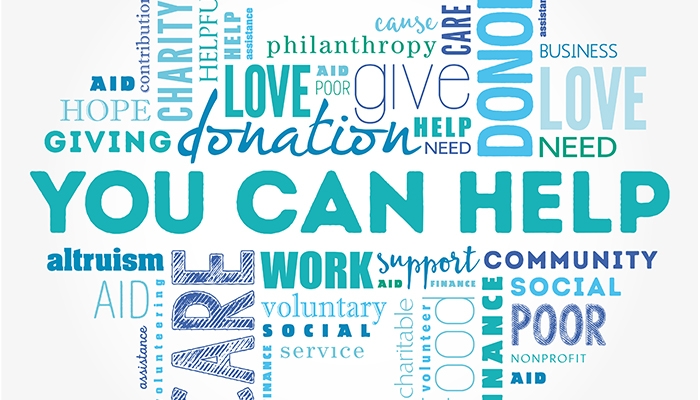
Charitable giving involves donating money, time, or possessions without expecting any personal benefit. The time spent formulating your charitable giving strategy can help you maximize the effect you have on the causes and organizations that are closest to your heart. Here are points to think about as you consider giving to non-profits.

November 17, 2024
Help Maximize Your Charitable Gifts
Important Disclosure: Content on our website and in our newsletters is for informational purposes only. The information provided may (or may not) directly apply to your situation. We recommend that readers work directly with a professional advisor when making decisions in the context of their specific situation.

Any endeavor worth undertaking, especially one that may affect others, deserves our careful consideration before we begin.

When contemplating charitable giving, think about the following points:

Choose Your Causes

  • Worthy causes abound and regularly solicit our time and money.
  • Choose a few organizations that focus on areas that are meaningful to you, and then research what kind of help is needed.

Budget Your Gifts

  • When planning your annual budget, include charitable gifts.
  • Distributing your donations throughout the year may lessen the impact on your finances and increase your total giving.

Plan Your Volunteer Activities

  • Volunteering can be a rewarding experience, especially when you’re able to see the fruits of your labor.
  • Carefully determine the time you have available to ensure your best efforts for the cause.
  • Avoid taking on too much.
  • Review Your Plans.

Review Your Plans

  • Just as you review your annual financial budget, review your annual time and value budget.
  • Revise your volunteer commitments to include only those where the rewards have been the greatest for both you and your cause.
  • Think quality rather than quantity.

Through our gifts of time and money, we may create better communities and a better world.

The time spent formulating your charitable giving strategy can help you maximize the effect you have on the causes and organizations that are closest to your heart.

Other content you may like

  • A Positive Start to the Year for Stocks

    A Positive Start to the Year for Stocks

    June 23, 2023
    Looking at stats from January through May, it’s good to see a positive start to the year for U.S. stocks. This market overview also looks at the growth heavy U.S. large cap stock index and charts the hidden risk in Growth vs. Value. Included is a current and historical look at how the Fed funds rate affects core bonds, short term bonds, and performance strategies with a potential Fed Reserve pause.
    Read this Article
  • What's Driving the Market

    Podcast Highlight - Answering Client Questions: Why doesn't my banker call me about higher rates?

    March 12, 2023
    Dispelling any confusion between a Depositor Relationship and a Custodial Relationship, the team clarifies why your Bank needs to have FDIC insurance and how they best serve you compared to a custodial service that is holding your assets so they can work for you.
    Read this Article
  • President Biden’s Proposal and Your Healthcare

    President Biden’s Proposal and Your Healthcare

    July 27, 2021
    Will the proposed policies of the Biden Administration have a negative or positive impact on your healthcare? Remember that healthcare is like retirement planning – it’s very personal. This article examines a few of those policies that will likely impact healthcare in general.
    Read this Article
  • Market Performance and a Recession Indicator

    Market Performance and a Recession Indicator

    December 1, 2022
    U.S. stocks historically average 10% per year but rarely do they finish a year at that level. See the difference between the average annual return and what happened to stocks YTD in 2022 by looking at the range of returns for stocks by the full calendar year. A quick glance at the most reliable recession indicator and how alternative asset classes do better when the return on “cash” is higher. Plus stats on market performance.
    Read this Article
  • The link you have selected is located on another server. The linked site contains information that has been created, published, maintained, or otherwise posted by institutions or organizations independent of this organization. We do not endorse, approve, certify, or control any linked websites, their sponsors, or any of their policies, activities, products, or services. We do not assume responsibility for the accuracy, completeness, or timeliness of the information contained therein. Visitors to any linked websites should not use or rely on the information contained therein until they have consulted with an independent financial professional. Please click “Continue to Link” to leave this website and proceed to the selected site.
    phone-handset